
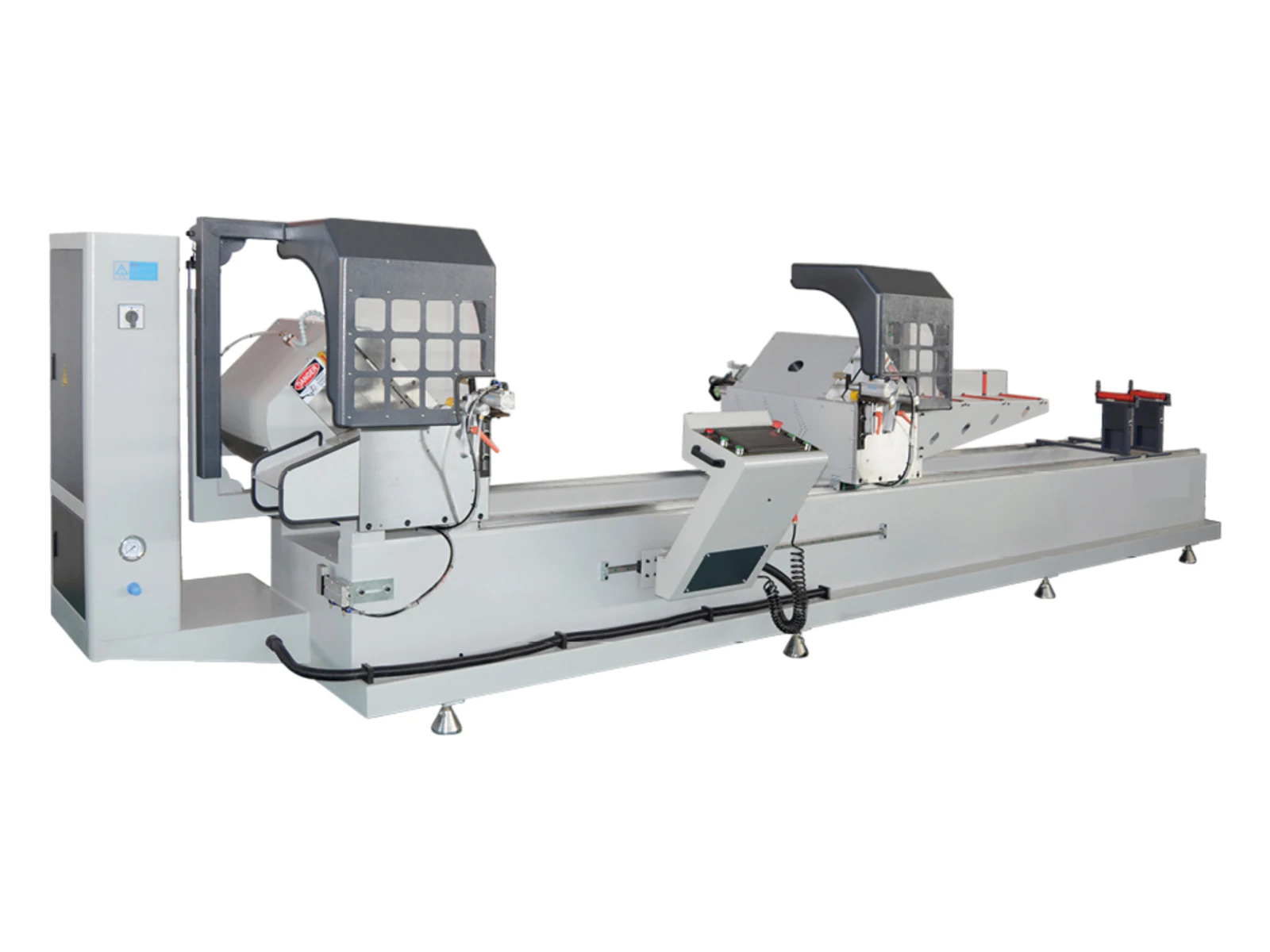
A practical eight-machine package for mid-to-high-end thermal break aluminium windows combines 500 mm CNC cutting, end milling, multi-face CNC machining, corner crimping and dedicated auxiliary equipment.
How to plan your window machine package
A mid-to-high-end thermal break aluminium window production line should be selected as a connected workflow, not as a list of isolated machines. Start with the profiles you manufacture, the maximum section and cutting length, the types of windows and doors in your order book, and the number of frames you plan to complete per shift.
The core of this package is a 500 mm CNC double-head cutting saw, a CNC end milling machine and a multi-face CNC drilling-and-milling machine. Together they cover precision length cutting, mullion and transom end preparation, and repeated drilling, routing and lock-related machining. The additional machines reduce manual marking, improve repeatability and help a workshop process higher-value system windows efficiently.
Confirm every configuration with actual profile drawings and samples before ordering. In particular, check the saw’s usable cutting range, minimum and maximum part length, angle requirements, end-milling cutter arrangement, CNC machining envelope, corner-connector sizes, local voltage, air supply and factory material flow.
Core machines and how to choose them
Machine 1
500 mm CNC Double-Head Precision Cutting Saw
LJG2-CNC-500x4500
A 500 mm CNC double-head saw is the primary cutting station for thermal break aluminium frame, sash and mullion profiles. Select the exact configuration around the widest profile section, 45° and 90° cutting requirements, automatic angle adjustment, the minimum short part, the maximum long part and the required repeat length accuracy.
- 45° and 90° aluminium profile cutting
- Automatic length positioning for repeat work
- Short-part and long-profile processing within the confirmed machine range
Machine 2
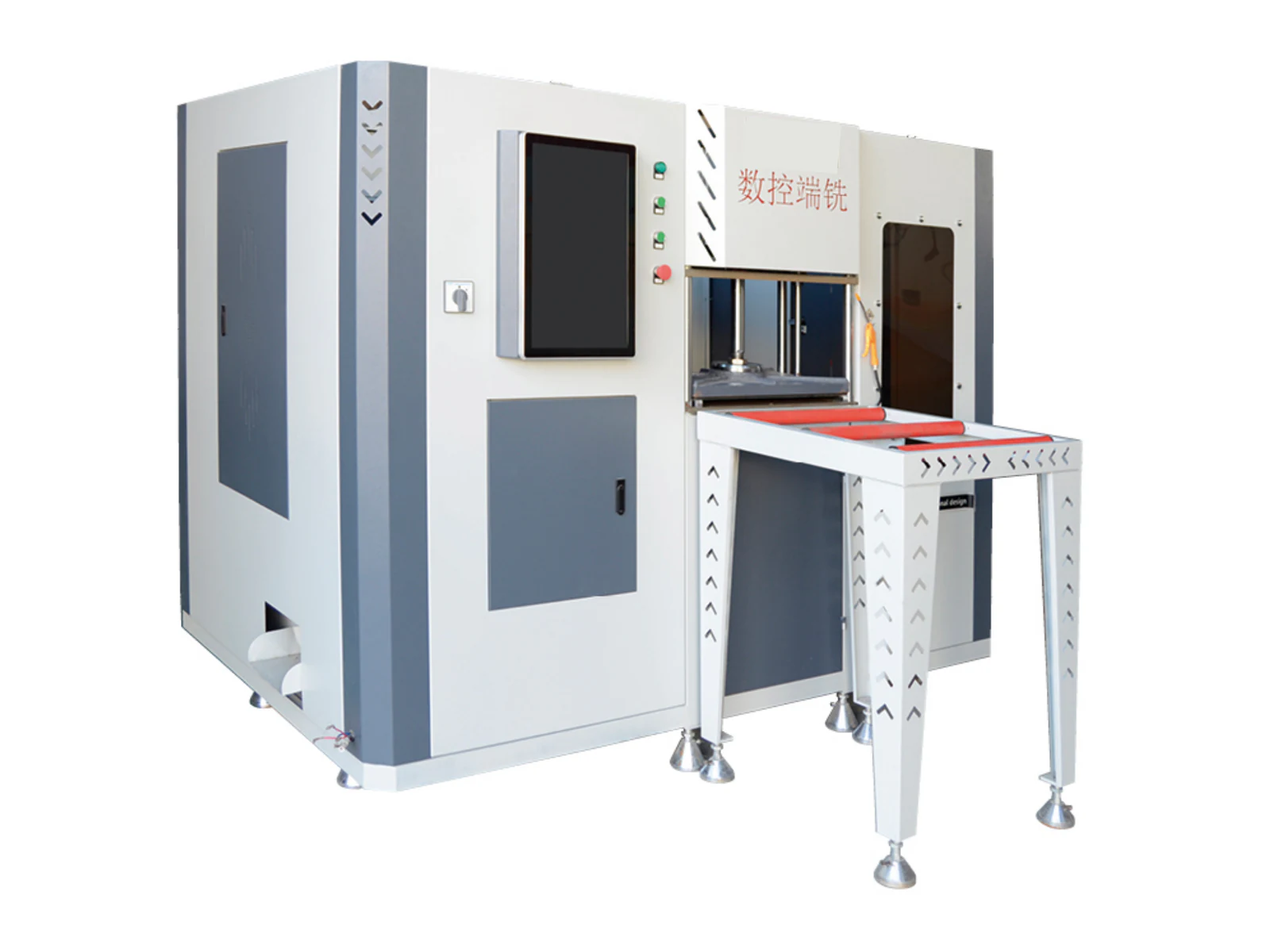
CNC Aluminium End Milling Machine
LDX-CNC-300-3A / 5A / 7A series
CNC end milling prepares mullion and transom ends for accurate mating with frame profiles. Compact and higher-capacity cutter arrangements should be chosen from the required profile sections and end-face geometry. Confirm whether a 3+1, 3+2 or other spindle-and-cutter arrangement suits the actual machining sequence before finalising the order.
- Mullion and transom end-face processing
- Stored programs for repeated system-profile work
- Selection by profile section and cutter coverage
Machine 3
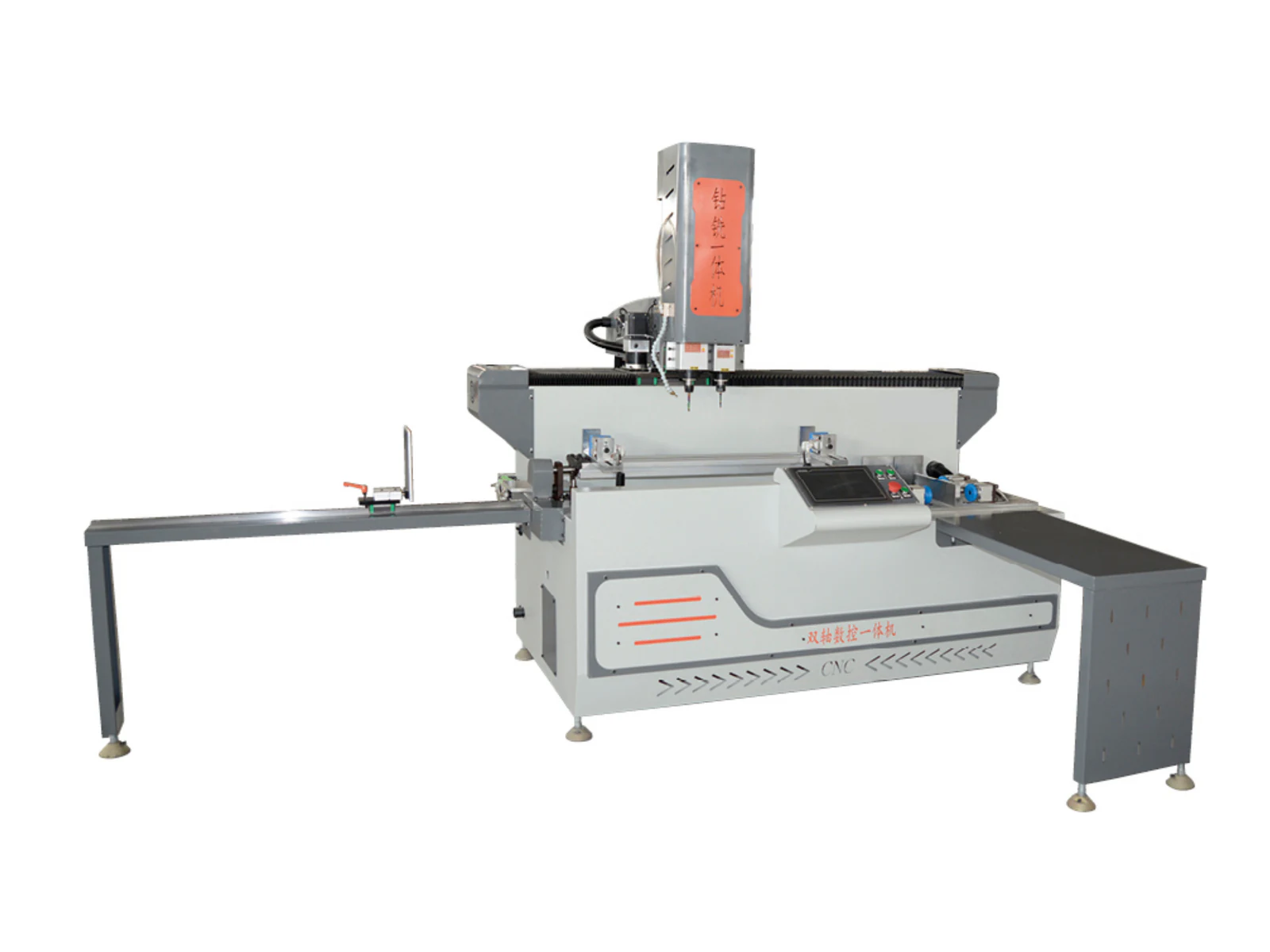
Double-Head CNC Drilling and Milling Machine
TM-CNC-1750
This multi-function CNC station handles profile holes, slots, special openings and lock-related machining. Its two workstations support corner-connector and injection-hole work alongside the lock-side process, while a rotating table enables three-side machining in one clamping within the stated working range.
- Corner-connector, pin and injection-hole machining
- Lock opening, lock-box and hardware machining
- Three-side drilling and milling in one clamping
Machine 4
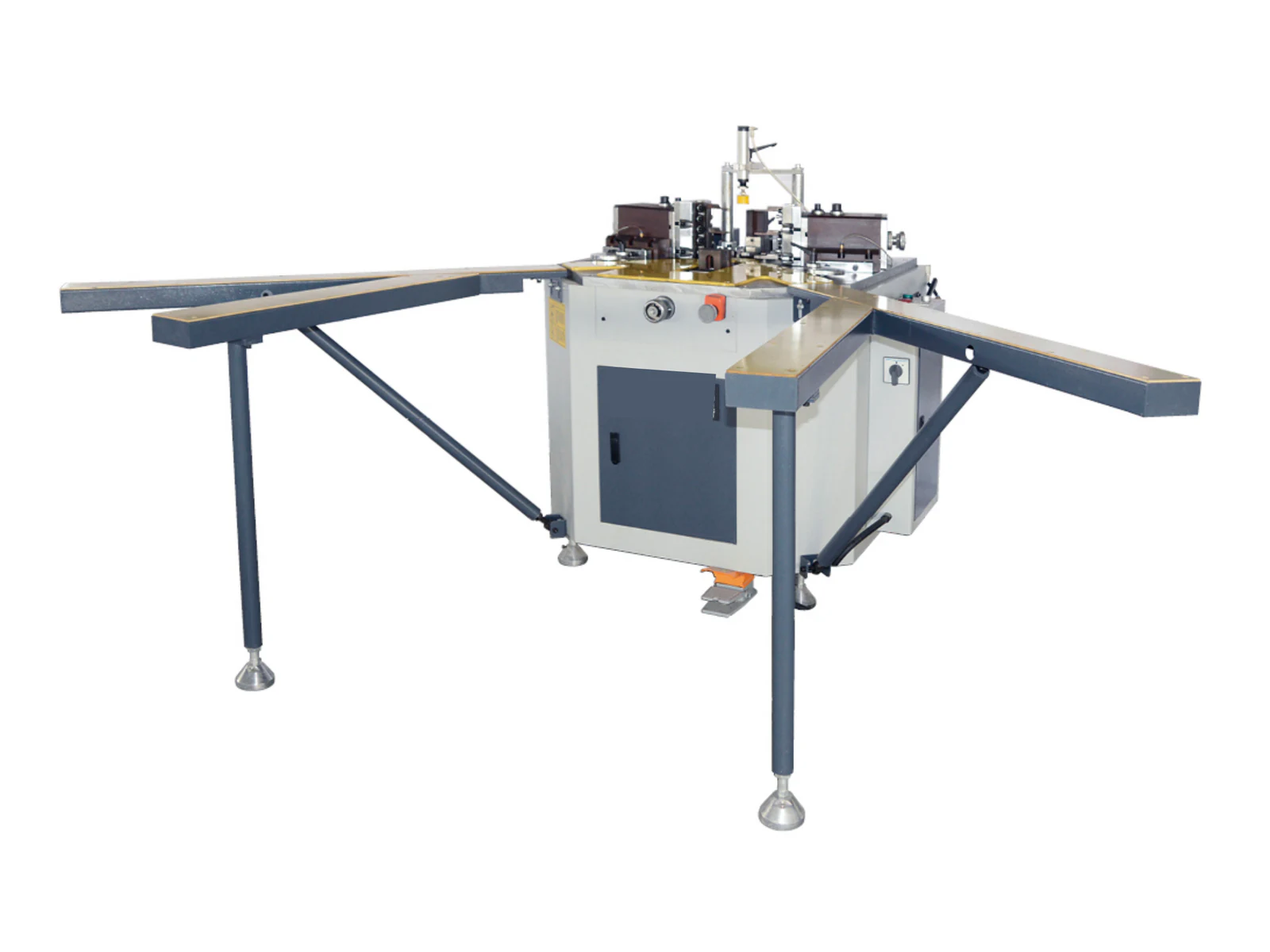
Heavy-Duty Hydraulic Corner Crimping Machine
LJJ-180A
After the frame components and corner connectors are prepared, hydraulic corner crimping forms the frame joint. Select the crimping capacity and support-table configuration against the profile width, frame size and corner-connector system used in production.
- Hydraulic aluminium frame corner joining
- Thermal break window and door frame assembly
- Profile-width and crimping-tool configuration checks
Machine 5
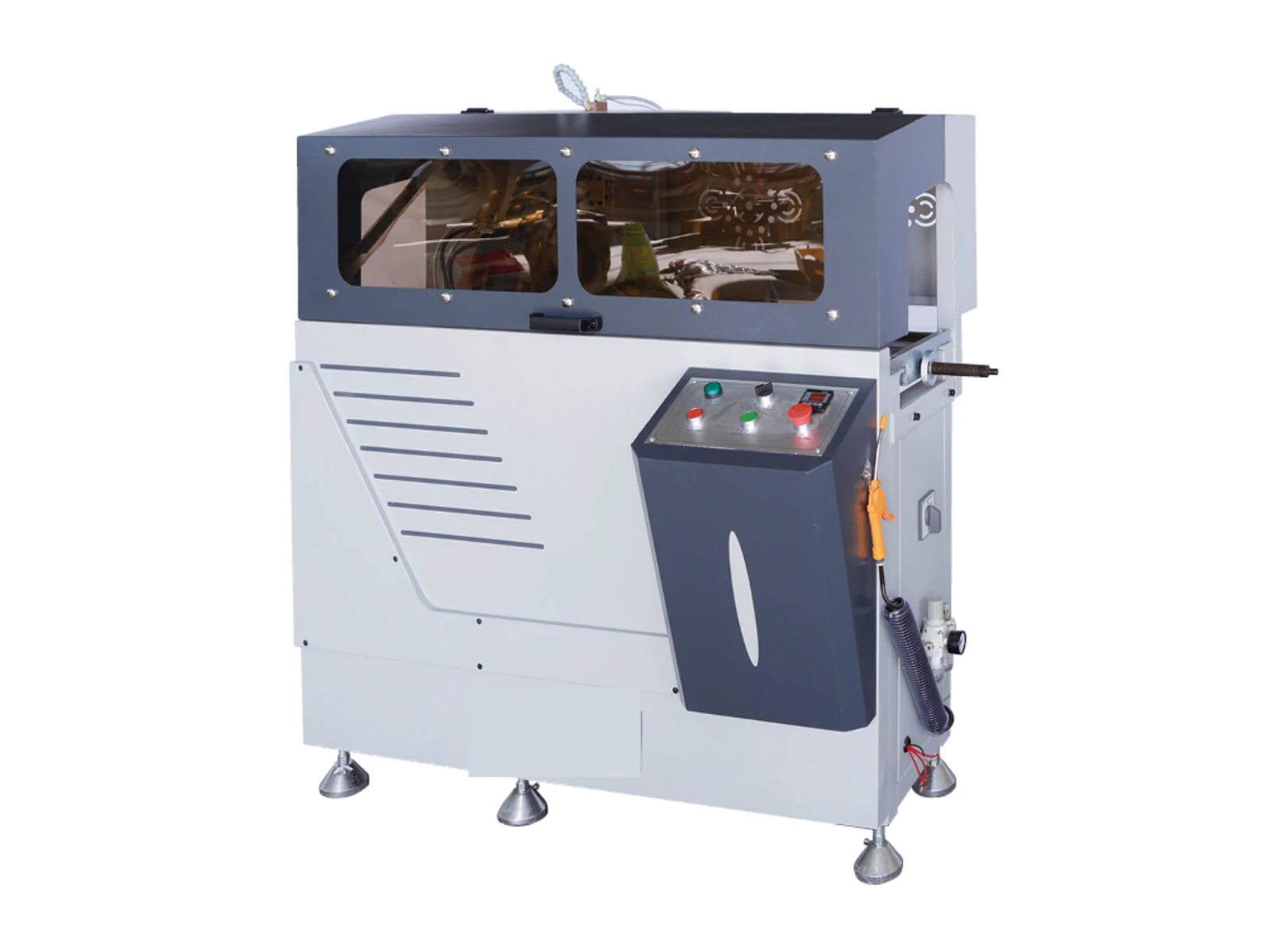
Automatic Corner Connector Cutting Saw
LJMJ-450
When different corner-connector widths are used, an automatic connector saw helps prepare connector pieces to the programmed length. Confirm the connector material, width range, target quantities and how the cut pieces will be supplied to the crimping station.
- Automatic corner-connector cutting
- Repeat lengths for different connector widths
- Support for frame and sash assembly
Machine 6
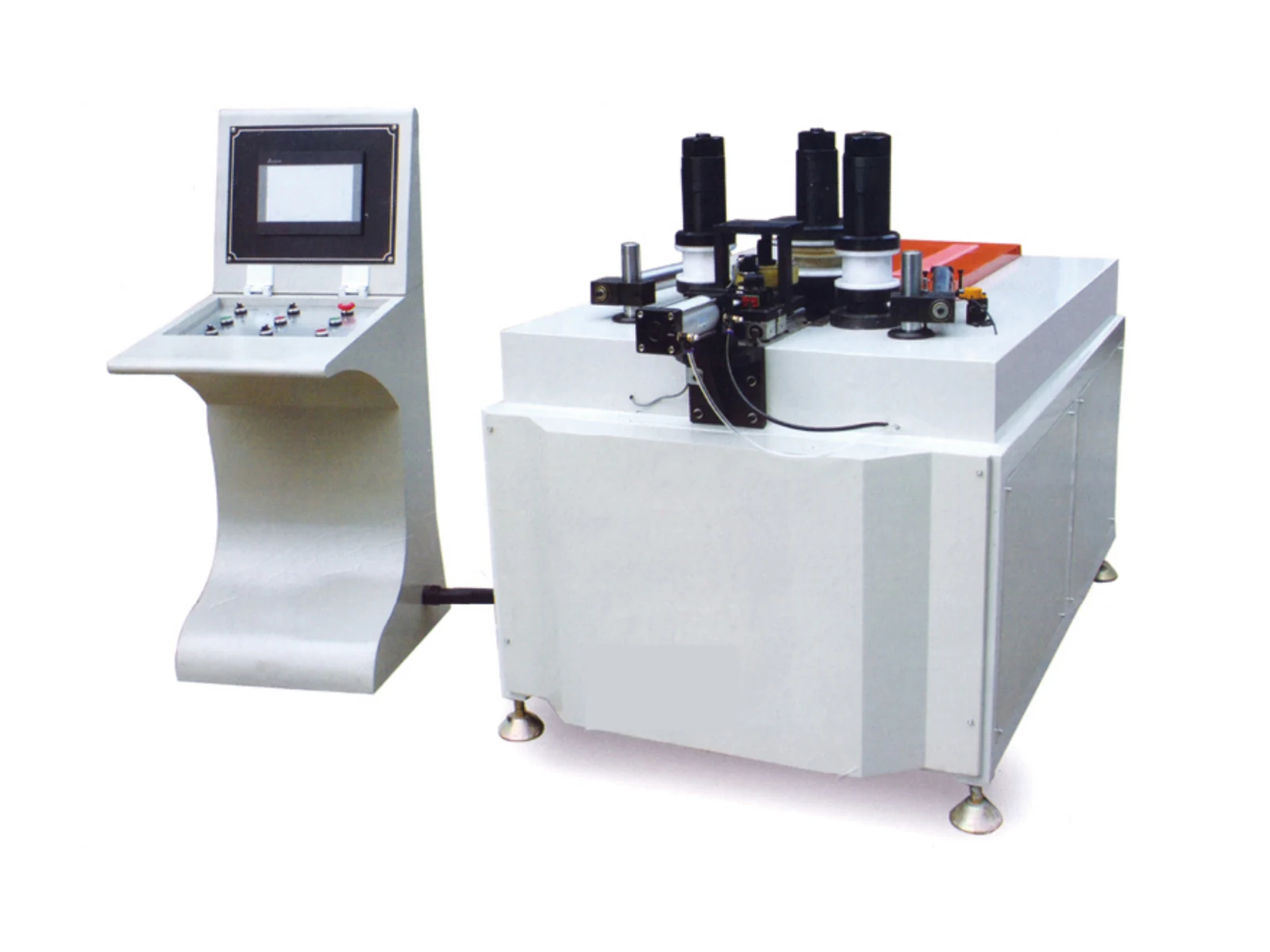
CNC Roll Bending Machine for Curved Profiles
CWC-CNC-95
For curved or arched glazing-bead and profile work, CNC roll bending can support programmed arcs with profile-protection tooling. Curved work should always be validated with the actual section, radius, finish and a production sample before committing to tooling.
- Curved aluminium profile production
- Arched window and door components
- Profile-specific tooling and radius validation
Machine 7
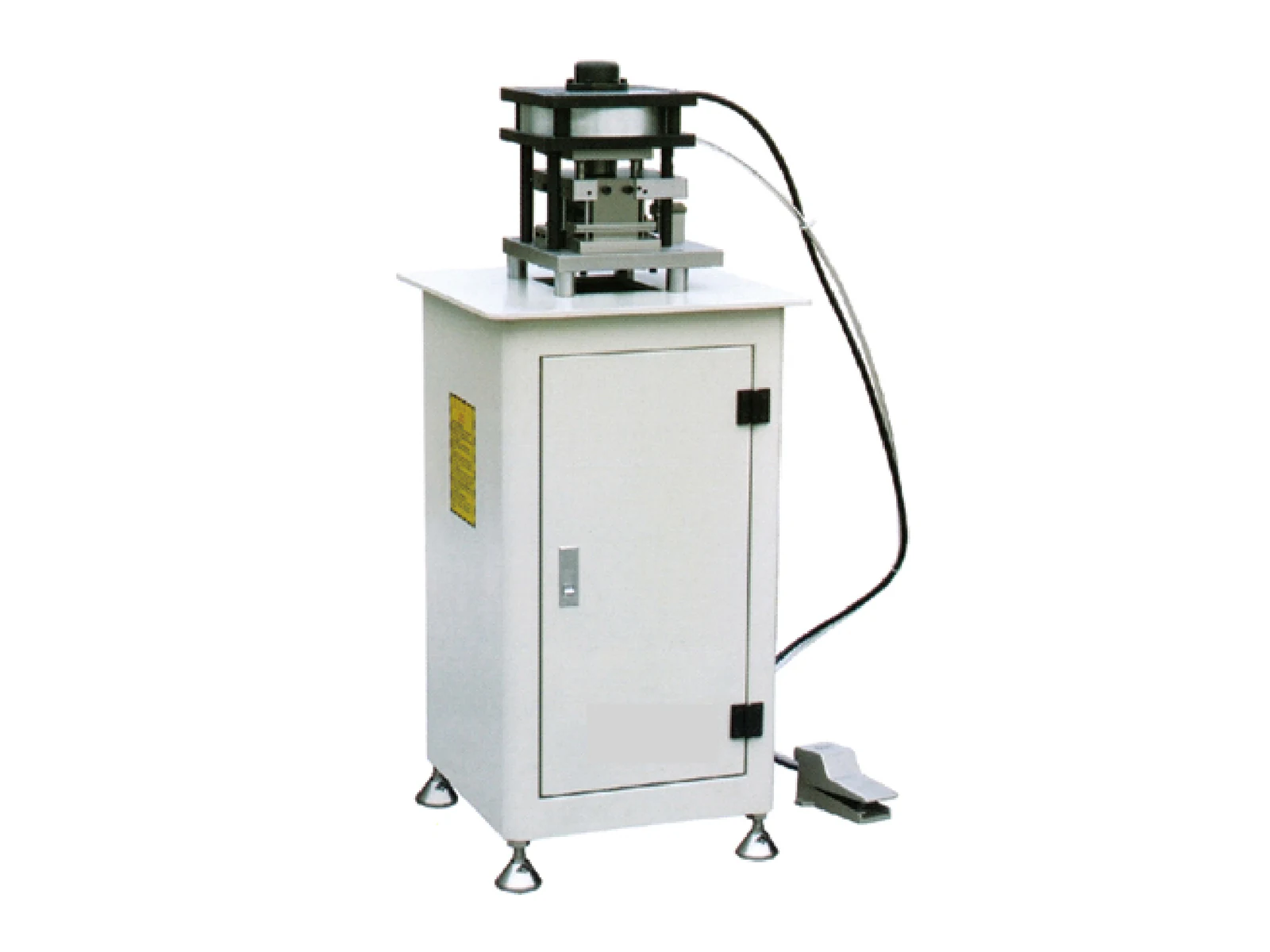
Aluminium Profile Hardware Press
LY-16
A dedicated hardware press supports repeatable punching operations for handle slots, corner features and connecting-rod holes. It is useful for inward-opening sash work when the required operations match the available die set.
- Handle-slot and connecting-rod holes
- Inward-opening sash hardware preparation
- Repeat punching with dedicated dies
Machine 8
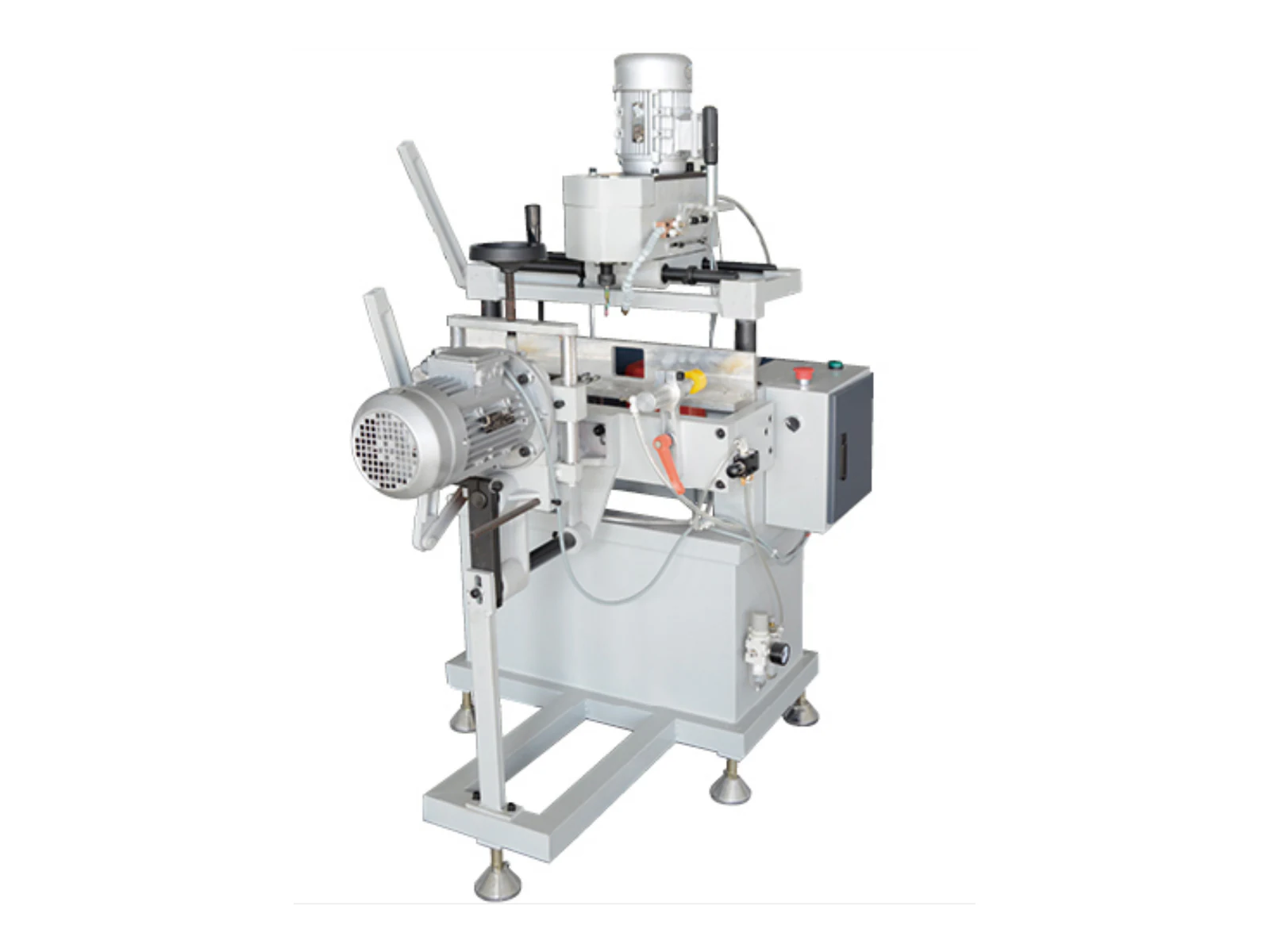
Keyhole and Slot Processing Machine
SZJ01
For batch lock-box work, a dedicated drilling and copy-routing station can separate recurring holes, grooves and water-slot operations from the general CNC process. Use it when this work is frequent enough to justify a dedicated cell and profile-specific templates.
- Lock-box and keyhole preparation
- Three-hole drilling and copy routing
- Dedicated processing for repeat hardware work
Frequently asked questions
What machines are needed for a mid-to-high-end thermal break aluminium window workshop?
A practical package includes a CNC double-head cutting saw, CNC end milling machine, CNC drilling-and-milling machine, hydraulic corner crimper and automatic corner-connector cutting saw. Add curved-profile, hardware-punching and dedicated lock-box equipment when those operations are part of normal production.
Why choose a 500 mm CNC double-head saw?
A 500 mm CNC double-head saw can be selected for larger thermal break aluminium profile sections and repeat production. The correct choice still depends on the actual cross-section, cutting angles, minimum and maximum cutting length, blade specification and required output.
What should be checked before choosing a CNC drilling-and-milling machine?
Check the accessible profile faces, working range, spindle and tool-holder configuration, table rotation, clamping, required holes and slots, and software workflow against representative drawings. A sample program or trial part is the best way to confirm suitability.
When is a dedicated lock-box or hardware machine worthwhile?
It is worthwhile when those operations are repetitive enough to create a bottleneck on the general CNC station. Review daily quantity, changeovers, die or template requirements and the expected reduction in manual handling before adding a dedicated machine.
What information is needed for a complete thermal break aluminium window machinery quotation?
Provide profile drawings and samples, window and door types, target output, cutting list, maximum workpiece dimensions, workshop layout, power and compressed-air details, preferred automation level and the operations you need to keep in-house.
Explore related equipment
Aluminium Window & Curtain Wall Machine
For model-specific suitability, send your material specifications and production requirements to our team.