
Learn what uPVC (often called plastic-steel) windows are, how steel reinforcement and welded corners affect performance, why quality varies, and how uPVC window frames are manufactured.
What is a uPVC window and why does quality vary?
uPVC windows are commonly called plastic-steel windows because the visible frame is made from rigid PVC-U profile, while galvanised steel reinforcement is fitted inside selected chambers to provide the stiffness and strength the plastic profile cannot provide alone. The PVC-U compound is an engineered formulation that uses stabilisers, modifiers, pigments and other controlled ingredients; it is not simply raw plastic.
Multi-chamber uPVC profiles can help limit heat transfer because PVC-U has low thermal conductivity compared with metals and the enclosed chambers reduce convection. They can also contribute to acoustic comfort. However, a finished window’s insulation and sound-reduction result must be evaluated as a complete system, including the glass specification, gap and gas fill where applicable, sealing, opening style, hardware adjustment and installation. Do not rely on universal temperature or noise-reduction claims without test data for the exact window system.
uPVC windows have been used internationally for decades and are still specified where energy efficiency, weather sealing, corrosion resistance and low-maintenance surfaces are important. Market perception varies because product quality has varied widely: profile wall thickness, compound formulation, reinforcement, glazing, hardware and fabrication controls can all be reduced in a price-led supply chain. A compliant, well-designed uPVC window is not automatically a low-cost product, and it should be compared with thermal-break aluminium systems using the required project performance values rather than material labels alone.
A typical uPVC production workflow begins with frame, sash, mullion and glazing-bead cutting. Reinforcement is inserted and screwed into the specified profile chambers before the main frame or sash corners are heat welded. The welded flash is then cleaned, the hardware and seals are fitted, and the finished frame is glazed and inspected. The defining production differences from a thermal-break aluminium window are reinforcement insertion and heat-welded corners instead of mechanical corner connectors and crimping.
Corner quality deserves special attention. Heat welding can provide a continuous sealed corner, but the strength and finish depend on profile quality, reinforcement design, welding temperature, pressure, timing, tooling, cooling and subsequent cleaning. Request profile samples, reinforcement drawings, welding samples and relevant air-, water-, wind-load and acoustic test reports for the intended system before making a product or machinery decision.
Core machines and how to choose them
Machine 1
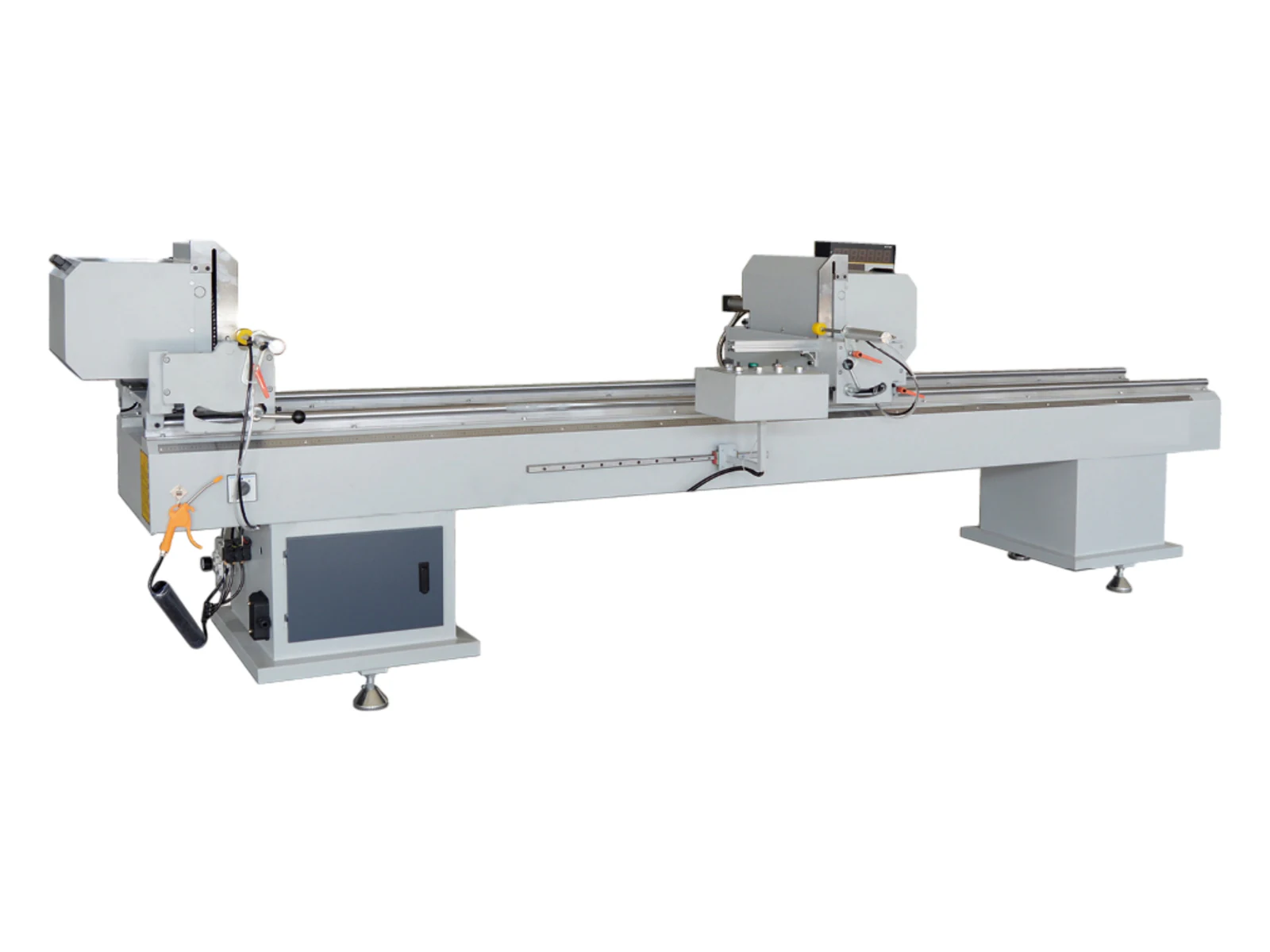
uPVC Double-Head Cutting Saw
SIB06-400x3700
Profile cutting prepares the frame, sash, mullion and glazing-bead components to the cutting list. Choose the saw around the profile dimensions, required 45° and 90° cuts, cutting-length range, blade specification and expected daily output.
- Frame, sash and mullion profile cutting
- 45°, 90° and fixed-length preparation
- Cut-list based production planning
Machine 2
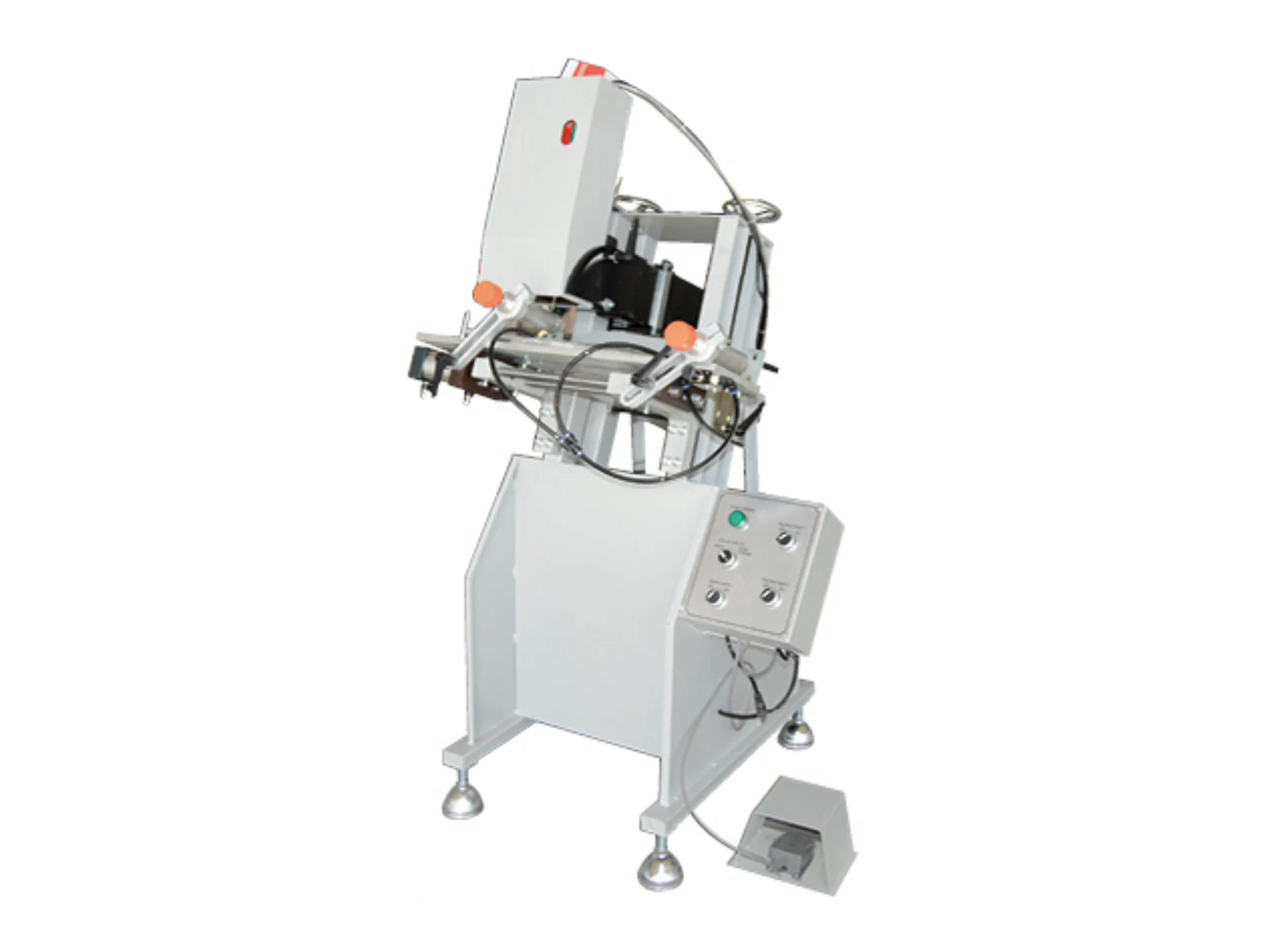
Automatic Water-Slot Milling Machine
SCX01-2
Drainage and pressure-balance paths are profile-specific operations. A dedicated water-slot machine can machine the required slots and grooves when the cutter layout and profile supports are matched to the selected uPVC system.
- Water-slot milling
- Pressure-balance groove machining
- Profile-specific drainage preparation
Machine 3
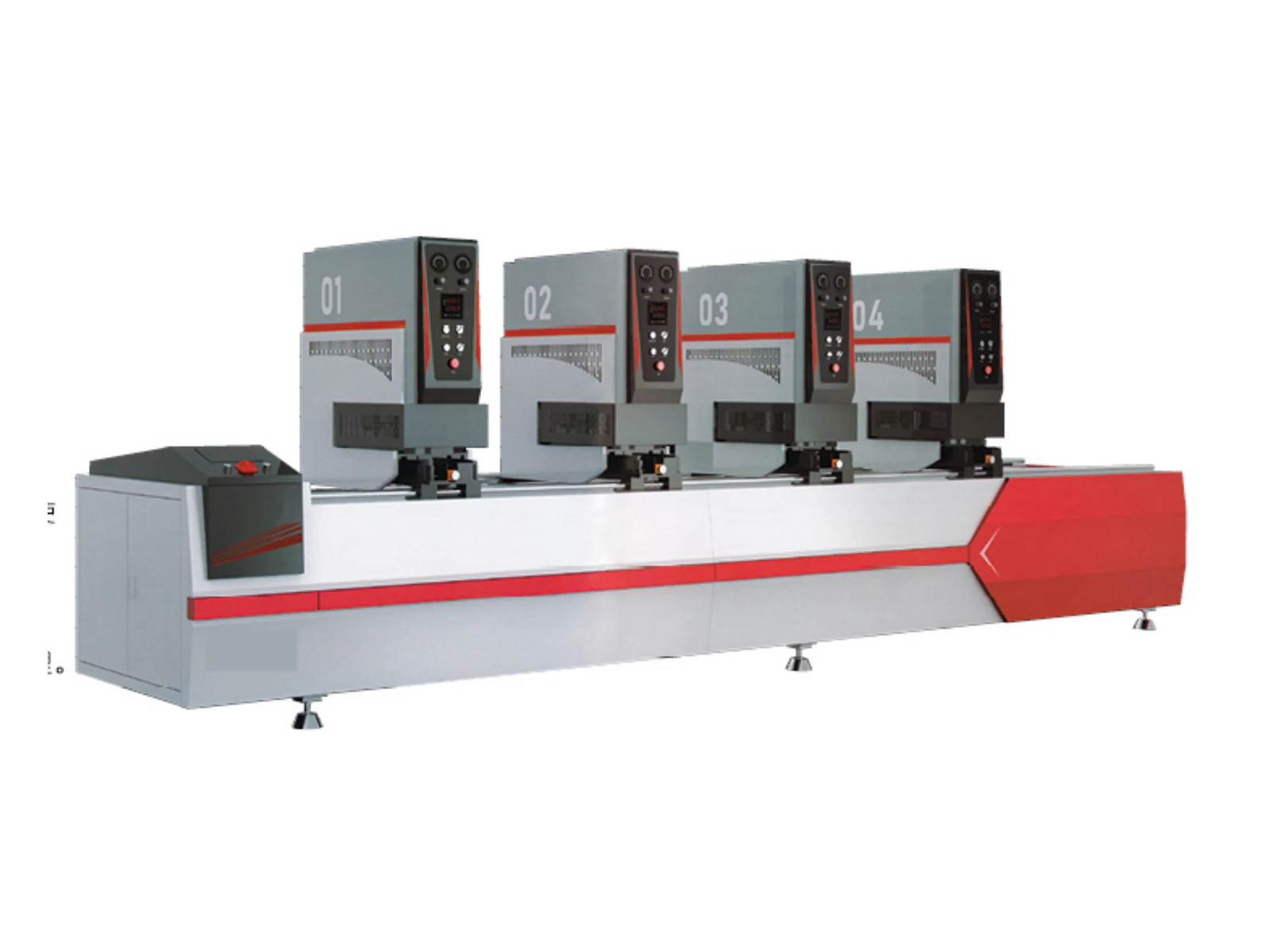
Seamless uPVC Welding Machine
SHZV4GC-140x4500
Heat welding joins mitred uPVC frame and sash corners after reinforcement preparation. Select the number of heads, supported frame-size range and welding process according to output, profile system and finished-corner requirement.
- Heat welding of uPVC frame and sash corners
- Multi-head rectangular frame production
- Controlled welding temperature, pressure and cycle settings
Machine 4
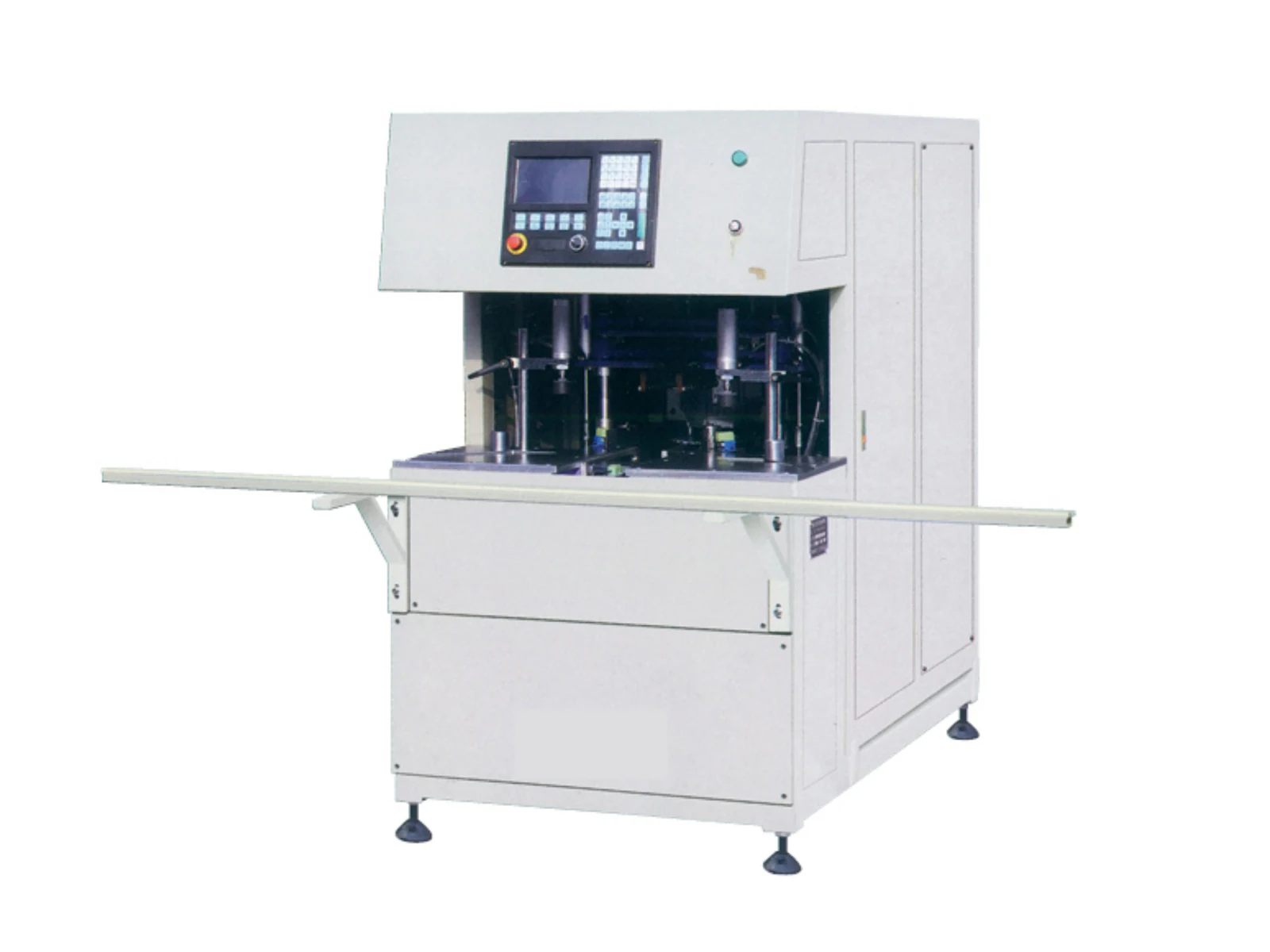
CNC uPVC Corner Cleaning Machine
SQJA-CNC-125
After welding, a CNC corner cleaner removes flash and finishes visible and internal profile areas. Its programmed paths, cutters and clamping must be validated for each intended profile system.
- Weld-flash removal
- External, internal and gasket-groove finishing
- Repeatable profile-programmed corner cleaning
Frequently asked questions
Why are uPVC windows called plastic-steel windows?
The frame material is rigid PVC-U, while steel reinforcement is commonly inserted into specified profile chambers to increase stiffness and strength. The exact reinforcement design should follow the profile system, window dimensions, wind-load requirement and hardware layout.
Are uPVC windows warmer or quieter than thermal-break aluminium windows?
Both materials can be used in high-performance windows. uPVC multi-chamber profiles can contribute to thermal and acoustic performance, but the result depends on the complete tested window: glazing, seals, reinforcement, opening style, drainage, hardware and installation. Compare certified values for the proposed systems instead of relying on material-only claims.
Why did some uPVC windows develop a poor reputation?
In price-led markets, profile compound, wall thickness, reinforcement, hardware, glazing and fabrication quality may be reduced to lower costs. Those changes can damage performance and durability. Specify the profile system, reinforcement, glass, hardware and applicable test requirements clearly to compare like with like.
How are uPVC windows manufactured?
Profiles are cut, reinforcement is inserted and fixed where specified, corners are heat welded, weld flash is cleaned, and the frames are fitted with hardware, seals and glazing. Drainage and hardware machining are performed according to the profile and window design.
What should I check before buying uPVC windows or starting uPVC window production?
Check the profile system, reinforcement drawings, wall thickness and compound documentation, glazing and seal specification, hardware, drainage design, fabrication samples, test reports and installation method. For machinery, also provide profile drawings, samples, output target, utilities and factory layout.
Explore related equipment
For model-specific suitability, send your material specifications and production requirements to our team.